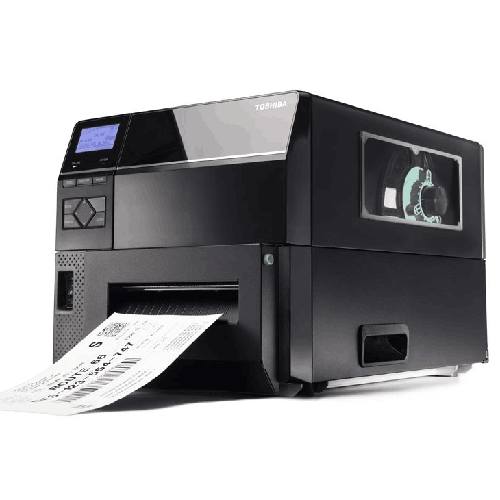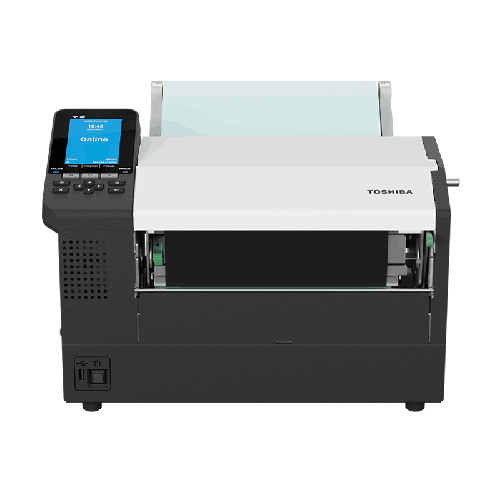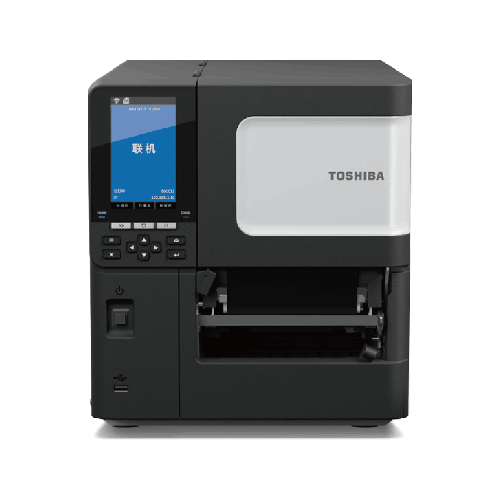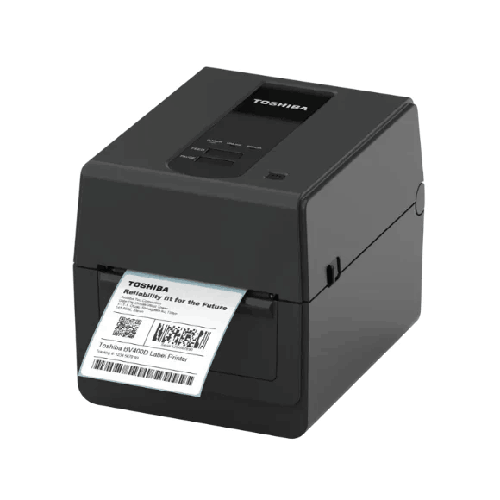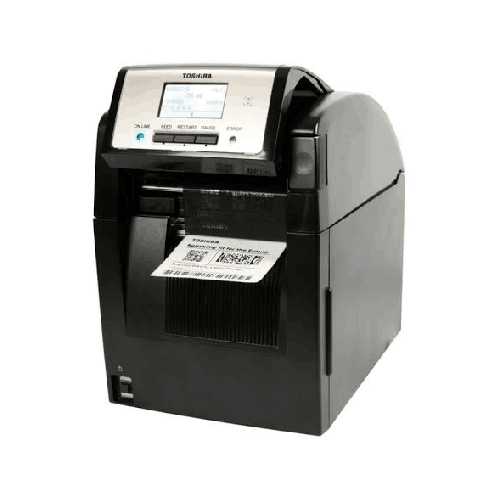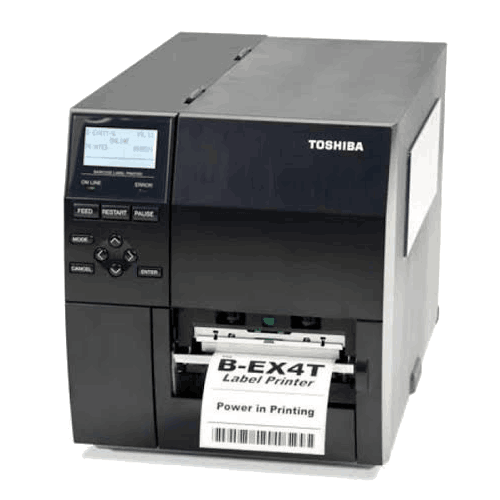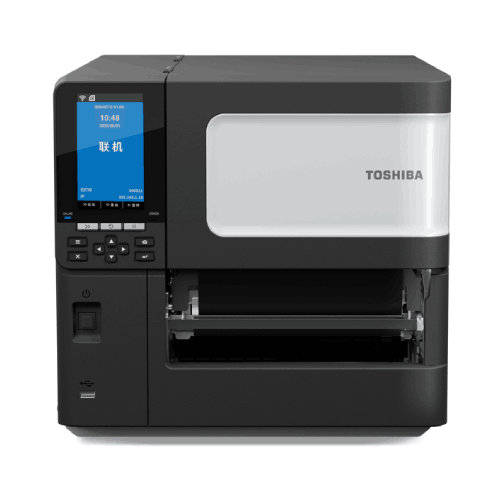
Toshiba BX610T Industrial 6" Thermal Label Printer
Regular Price:৳0.00Availability: SKU: 1.6.2.9237
Quick Overview
-
Support
Saturday – Thursday: 09 AM - 06 PM. -
Payment
Cash on Delivery | Card | Online Payment -
Shipping Cost
Inside Dhaka 100tk | Outside Dhaka 150tk -
Warranty Policy
Read More
Description
Toshiba BX610T Industrial 6" Thermal Label Printer Price in Bangladesh
The Toshiba BX610T Industrial 6-inch Thermal Label Printer is built for Bangladesh businesses that require industrial-grade labeling performance, faster production output, and smarter day-to-day usability in warehouses, factories, and distribution operations. In environments where labeling is not occasional—where it runs all day across shifts—printer stability, operator-friendly interaction, and continuous print workflow matter as much as print speed.
The BX610T is positioned as a modern industrial label printer with a 4.3-inch color display and an updated menu system designed to make operation clearer and more intuitive. It also highlights production-ready capability with a confirmed high-speed printing capacity of 12 IPS, helping enterprises complete large volumes of labels quickly—valuable for Bangladesh manufacturers and logistics operators working under tight delivery schedules.
At BME (Business Machine & Equipment), we help Bangladeshi organizations choose industrial printing solutions that align with real operational needs: production throughput, labeling consistency, and maintenance-friendly design. If you want the latest Toshiba BX610T price in Bangladesh, along with availability and an official quotation for your factory or warehouse project, BME can assist.
Industrial labeling is one of those operational functions that looks simple until it becomes a bottleneck. In Bangladesh, as manufacturing capacity grows and logistics networks become more time-sensitive, labeling accuracy and speed directly affect productivity. If cartons leave the packing line late because labels are delayed, shipments miss schedules. If warehouse labels are unclear or inconsistent, pick/pack errors increase. If printer operation is complicated, mistakes and downtime become common. The Toshiba BX610T Industrial 6-inch Thermal Label Printer aims to solve these issues by combining speed, usability, and smarter management features in an industrial form factor.
Clear interaction for real operators (4.3-inch color display)
The BX610T is confirmed to be equipped with a 4.3-inch color display, designed to deliver a clearer, more visual experience compared to older industrial printers that use basic monochrome displays or limited button panels. In practical terms, a better display reduces the time operators spend trying to interpret settings, understand status messages, or follow configuration steps.
The product description also notes a brand-new system menu with a simple, intuitive design and easy operation. For Bangladesh factories and warehouses, this matters because printers are often used by multiple staff members with mixed technical backgrounds. When the menu is easier to navigate, errors reduce—wrong media settings, wrong calibration steps, or delays in switching print jobs.
An interesting usability detail is the presence of eight different background options, allowing users to select a preferred theme. While this may sound cosmetic, it signals a modern UI approach and can improve clarity (contrast and visibility) in different lighting conditions—important in industrial floors, warehouse aisles, and packing stations.
High efficiency and stable print quality (12 IPS + media center alignment)
Production environments typically measure printer value by two metrics:
- How quickly it can print labels when demand spikes
- How consistently it maintains print quality across long runs
The BX610T provides a confirmed high-speed printing capacity of 12 IPS. This is a significant operational capability for large-volume printing tasks. In Bangladesh, a 12 IPS print speed can be especially beneficial for:
- Manufacturing packaging lines printing carton labels continuously
- Warehouse operations printing pick/pack labels during peak dispatch windows
- Distribution centers printing routing labels for sorting and staging
- Retail and wholesale environments printing shelf/box labels for rapid replenishment
Speed alone is not enough if print results vary or require constant adjustments. The BX610T is also described as using a media center alignment method, which reduces the need for adjustments to the printing effect and supports more stable, high-quality results. This detail is important because industrial labels often need to be consistently aligned—especially when barcodes must scan quickly at receiving gates, conveyor scanning points, or handheld scanning during picking.
In Bangladesh operations, label stock can vary—different suppliers, different adhesives, different thickness—so any feature that reduces ongoing manual adjustment can improve uptime and reduce label waste.
Smart connectivity and simpler management
The BX610T introduces what is described as “smart connectivity” through an easy workflow: scan a QR code displayed in the printer’s menu with your mobile phone to connect to the printer. This is a practical idea for real operational environments. In many factories and warehouses, IT resources are busy and availability is limited. When basic connectivity and access can be initiated quickly from the printer panel, it can reduce setup friction.
The product description also confirms a web management interface that allows configuration of various printer parameters similar to traditional setup tools, without installing additional software. This is particularly relevant in Bangladesh where:
- Many sites have controlled IT policies that restrict installing new software on PCs
- Multiple teams may need to monitor or adjust printer settings
- Technical staff may prefer browser-based management for convenience
- Remote troubleshooting within a facility becomes easier
Web-based management can also support standardized configuration across multiple printers—useful for larger organizations deploying several printers across different zones in a warehouse or multiple factory lines.
Important accuracy note: while the description explains QR connection and web management, it does not explicitly list the hardware communication interfaces (such as Ethernet/USB/Wi‑Fi). Since those weren’t confirmed, this page does not claim specific ports—only the capabilities described.
Folding flip design for safer and flexible placement
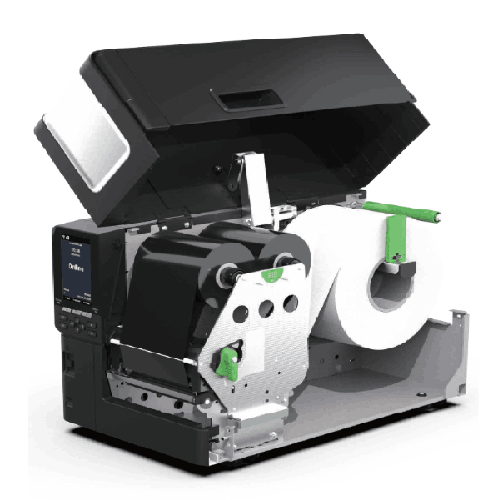
Industrial floors demand flexible installation. Space can be tight near packing benches, dispatch zones, and conveyor areas. The BX610T includes a confirmed folding flip design, described as making spatial layout more flexible and meeting the needs of different working environments.
It also includes a factory-installed damping buffer that slows the falling speed of the cover plate. This is a safety and durability feature: it helps protect workers from accidental impact and reduces the risk of pinching. In busy Bangladesh production sites—where staff move quickly and tasks are repetitive—these small ergonomic design details can reduce workplace incidents and improve operator confidence.
Label balance inspection for continuity
A common cause of workflow interruption is running out of consumables mid-job. When a printer stops in the middle of a large label batch because labels or ribbon are low, the process halts: packing stops, dispatch delays, and staff must switch rolls under pressure. The BX610T addresses continuity with label balance inspection: the system monitors label usage in real time and notifies users in advance to replace consumables.
It also mentions that users can adjust the notification interval for label remaining balance. This supports practical operational differences. For example:
- A high-volume shipping station may want early warnings to avoid any downtime
- A lower-volume station may prefer fewer alerts to avoid distraction
- Different label roll sizes may require different alert timing
Even though the exact implementation details are not provided, the confirmed feature highlights a continuity-focused design—a priority in warehouse and production labeling.
RFID self-test analysis for easier RFID setup (where applicable)
The BX610T description includes RFID self-test analysis, where the printer panel can control and complete RFID self-test and settings—reducing the need to connect to a computer or install debugging tools. This is significant for organizations using RFID workflows for asset tracking, logistics, or specialized labeling.
In Bangladesh, RFID adoption is growing in certain segments (large warehouses, higher-value supply chains, and specialized industries). RFID setup can be complex, and simplifying it through panel-based controls can improve adoption and reduce configuration time.
Accuracy note: the description confirms RFID self-test capability, but it does not specify RFID frequency type, encoding formats, or whether RFID is standard or optional. So this page references RFID only as described, without claiming additional RFID specifications.
Where the Toshiba BX610T fits best in Bangladesh
Based on the confirmed features, the BX610T is best suited for:
- Manufacturing: faster label printing for production and packaging lines
- Warehousing & distribution: stable printing and continuity features for dispatch and sorting
- Logistics operations: high-speed output for shipping labels and carton identification
- Organizations with multiple operators: better UI reduces errors and training time
- Sites needing easier configuration: QR-based connectivity and web management simplify setup
If your organization is planning a labeling upgrade, it’s also important to align printer selection with the rest of the system:
- Label design format requirements (size, barcode types, text layout)
- Consumables (label stock type and roll sizes)
- Placement workflow (who prints, who applies, where)
- Integration with ERP/WMS/POS systems
Because you haven’t provided core technical specs like print resolution (dpi), print width in mm, supported media/ribbon dimensions, or official warranty terms for Bangladesh, this page avoids stating them. For procurement decisions, those specs are important—BME can still prepare a quotation and assist you in confirming the correct configuration once a datasheet or official spec list is available.
✅ Key Features
- 4.3-inch color display: Clearer interaction and easier operation for industrial users.
- New intuitive menu system: Simplifies day-to-day settings and reduces operator errors.
- Eight background theme options: Allows users to choose display themes suited to preference/visibility.
- High-speed printing capacity (12 IPS): Supports rapid, large-volume label printing for enterprise operations.
- Media center alignment method: Reduces the need for printing-effect adjustments and improves stability of output quality.
- QR-code based connectivity workflow: Scan the QR code in the menu to connect with a mobile phone more easily.
- Web management interface: Configure printer parameters via browser-like management without extra software installation.
- Folding flip design: Improves spatial flexibility for different working environments.
- Damping buffer safety design: Slows cover plate fall to enhance safety and reduce pinching/impact risk.
- Label balance inspection: Monitors label usage and notifies in advance for consumable replacement to maintain continuity.
- Adjustable notification interval: Users can set alert timing based on work habits and consumable usage.
- RFID self-test analysis via panel: Simplifies RFID configuration and self-test without PC debugging tools.
✅ Usage / Applications
- Manufacturing packaging label printing at high output speed
- Warehouse carton labeling and dispatch staging labels
- Distribution center sorting and routing label workflows
- Rapid production labeling for enterprises with tight schedules
- Multi-operator industrial printing stations needing easy menus
- Facilities preferring web-based printer configuration and management
- Industrial environments where safer cover operation is important
- Workflows requiring proactive consumable replacement planning
- RFID-related labeling setups (where RFID usage is required)
✅ Benefits of This Product?
- Faster completion of large print jobs with 12 IPS speed
- Easier operator use and training thanks to a modern 4.3" color UI
- More stable print results with reduced adjustment needs (media center alignment)
- Reduced downtime risk through label balance inspection notifications
- Safer operation in busy industrial sites due to damped cover design
- More flexible placement in different workspace layouts (folding flip design)
- Easier configuration and parameter control via web management interface
- Simplified connectivity initiation through QR-code workflow
- Faster RFID setup and testing from the panel (RFID self-test analysis feature)
- Better continuity for production and dispatch processes where labels are critical
✅ Ideal For
- Factories and manufacturing plants needing high-speed label output
- Warehouses and distribution centers printing large quantities of logistics labels
- Logistics and transport operations requiring rapid and stable label printing
- Enterprises with multiple shifts/operators needing easy-to-use UI and menus
- Operations teams wanting proactive consumable monitoring and fewer interruptions
- Organizations exploring RFID workflows seeking simplified RFID self-test and setup
✅ Why Choose the Toshiba BX610T Industrial 6-inch Thermal Label Printer?
Choose the Toshiba BX610T Industrial 6-inch Thermal Label Printer if your Bangladesh operation needs a modern industrial printer that combines fast output (12 IPS) with usability and continuity features that reduce day-to-day friction. The 4.3-inch color display and redesigned menu system help operators work confidently, while the media center alignment method supports stable print quality with fewer adjustments. Smart features like QR-based connectivity, web management, label balance inspection, and panel-based RFID self-test analysis make it a strong fit for factories and warehouses where downtime and configuration complexity directly affect productivity.
✅ Why Buy This Product from BME?
- Bangladesh industrial procurement support: We can provide quotations for factories, warehouses, and enterprise deployments.
- Use-case matching guidance: Assistance aligning printer choice with production/warehouse workflow needs.
- Documentation support: Helpful for corporate purchasing processes and multi-site rollouts.
- Configuration clarity assistance: We help you identify missing specs that matter (interfaces, dpi, media sizes) before final procurement.
- Support-oriented approach: Practical guidance for deployment planning in Bangladesh environments.
✅ Buying Guide
- Confirm your label width requirement: BX610T is a 6-inch industrial printer class—ensure your label formats match your operational needs.
- Assess print volume and speed needs: If you have large daily label output, 12 IPS can help maintain production/dispatch pace.
- Plan operator workflow: Use the 4.3" color display and menu features to standardize operation across shifts.
- Consider management preference: If your team prefers browser-based configuration, the web management interface can reduce setup friction.
- Plan consumables and continuity: Use label balance inspection alerts to avoid mid-job stoppages.
- Consider safety and layout: Folding flip design and damping buffer may matter in tight industrial workspaces.
- RFID requirement check: If RFID is part of your roadmap, panel-based RFID self-test can simplify adoption—but confirm RFID option requirements.
- Request full technical specs before final purchase: Resolution (dpi), connectivity ports, media/ribbon dimensions, and warranty were not provided and should be confirmed for procurement.
✅ Customers Ask About / Frequently Asked Questions
-
Q1: What display does the Toshiba BX610T have?
A: It is confirmed to have a 4.3-inch color display. -
Q2: What is the printing speed of the BX610T?
A: The confirmed high-speed printing capacity is 12 IPS. -
Q3: How does it help maintain stable print quality?
A: It uses a media center alignment method, which reduces adjustment needs and supports stable, high-quality printing results. -
Q4: How does the printer support easy connectivity?
A: You can scan the QR code displayed in the printer’s menu with your mobile phone to connect more easily (as described). -
Q5: Can I configure it without installing extra software?
A: Yes, it supports configuration via a web management interface without installing additional software (as described). -
Q6: What is the folding flip design used for?
A: It helps make the spatial layout more flexible for different working environments. -
Q7: What safety feature is included in the cover design?
A: A factory-installed damping buffer slows the cover plate’s falling speed to enhance safety and reduce pinching/impact risk. -
Q8: What is label balance inspection?
A: The system monitors label usage in real time and notifies users in advance to replace consumables to keep print jobs continuous. -
Q9: Can I change when it alerts me about remaining labels?
A: Yes, users can adjust the notification interval based on work habits and consumable usage. -
Q10: Does it support RFID setup features?
A: It includes RFID self-test analysis and settings via the printer panel (as described). Detailed RFID specifications were not provided.
✅ Why Buy This Product
If your Bangladesh factory or warehouse needs a fast, stable industrial label printer with a modern display, easier configuration, and continuity-focused monitoring features, the Toshiba BX610T Industrial 6-inch Thermal Label Printer is a strong option to consider. Contact BME to check availability and request an official quotation for your production line, warehouse station, or enterprise rollout.
What is the price of Toshiba BX610T Industrial 6" Thermal Label Printer in Bangladesh?
Write a review
Question Answer
Have question about this product? Get specific details about this product from expert.

Bixolon XT3-40 Industrial Label Printer