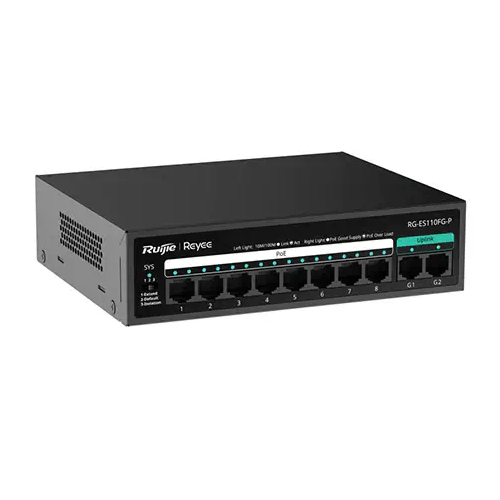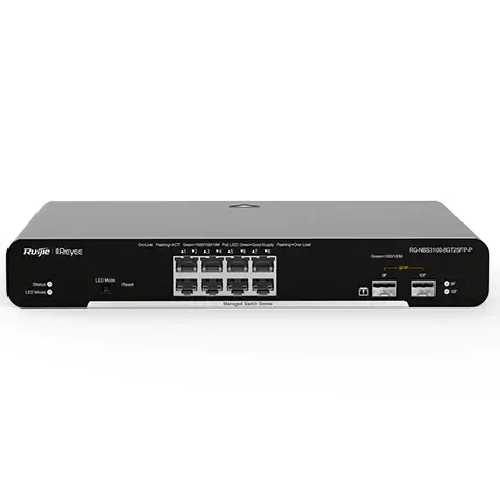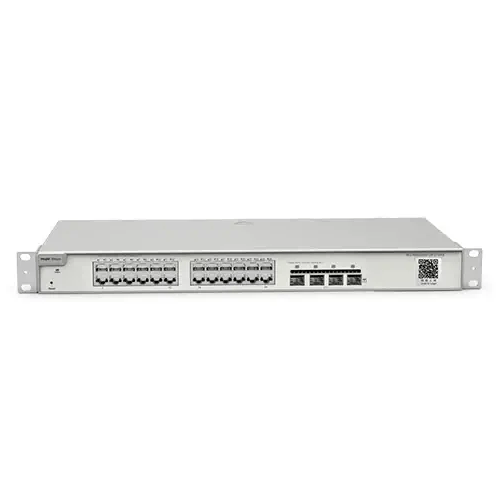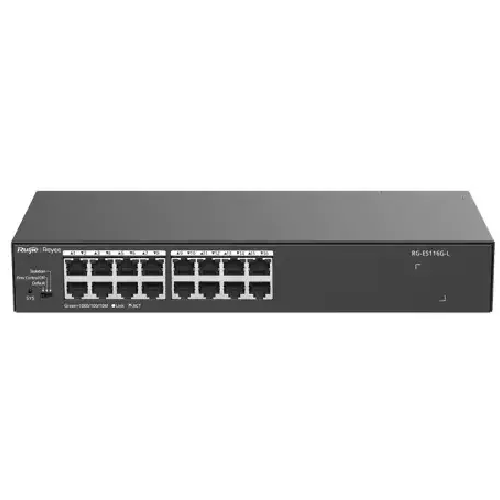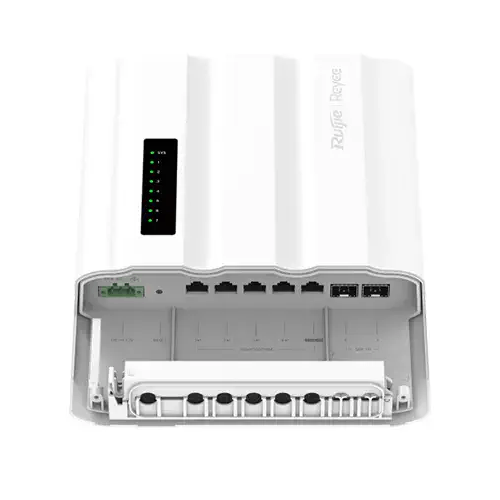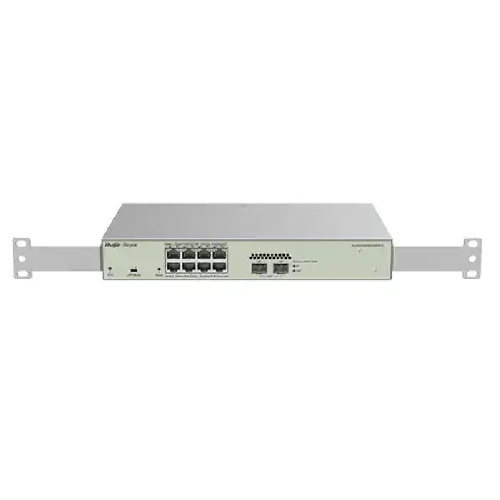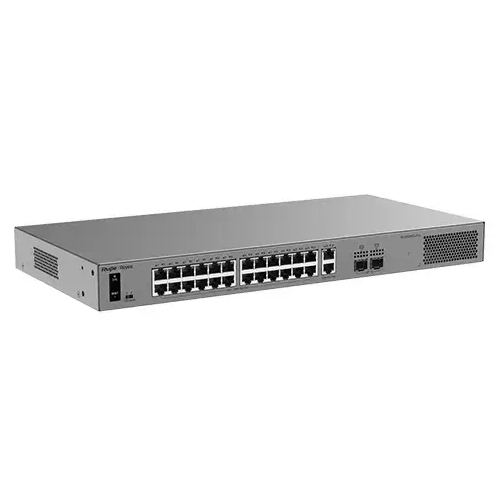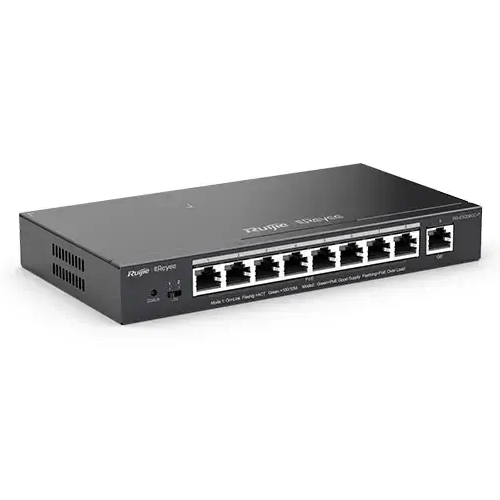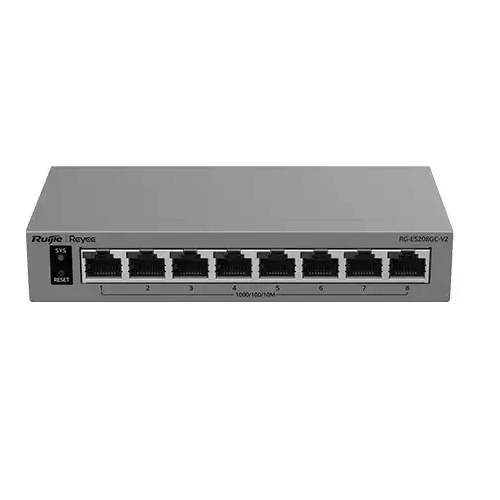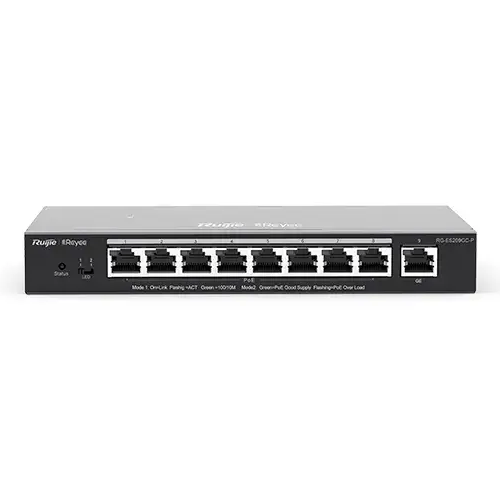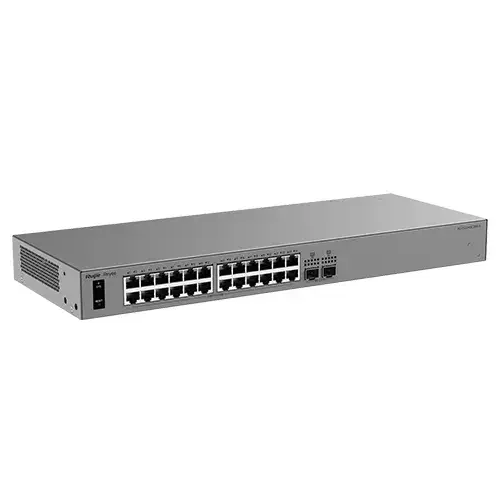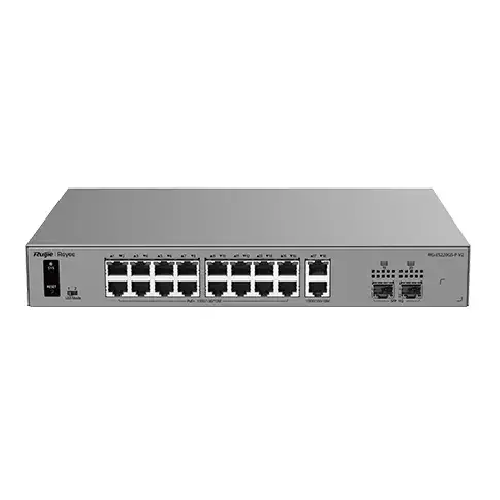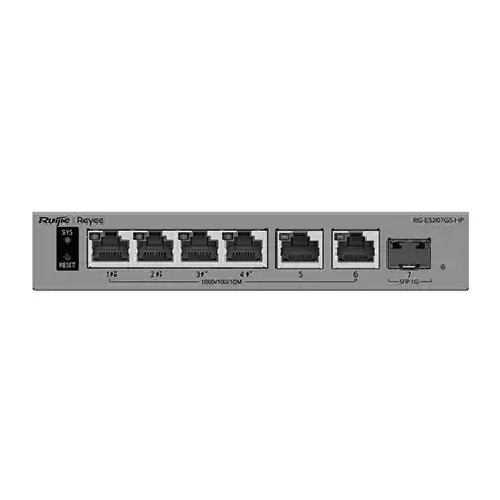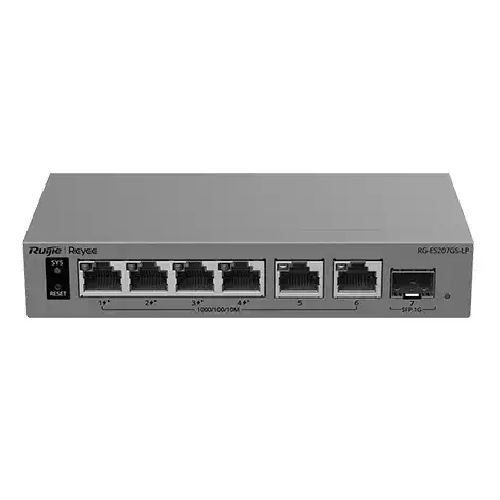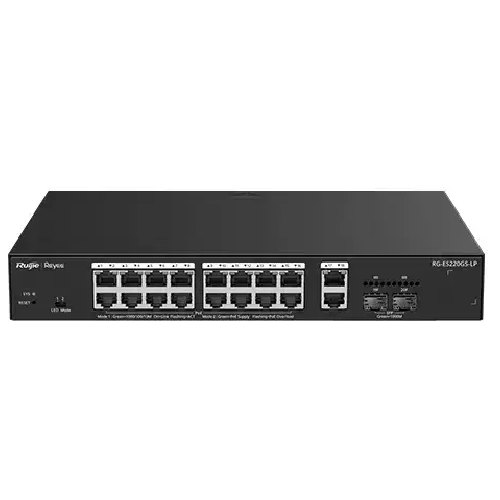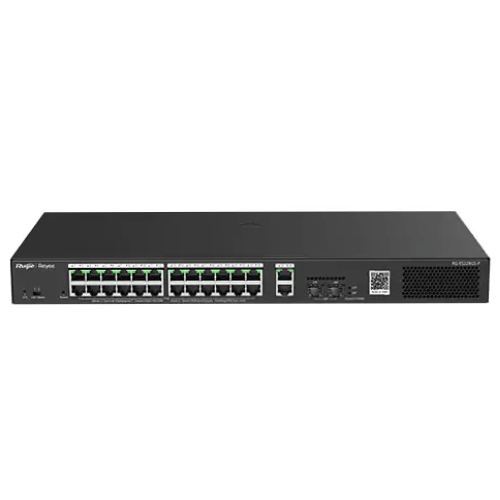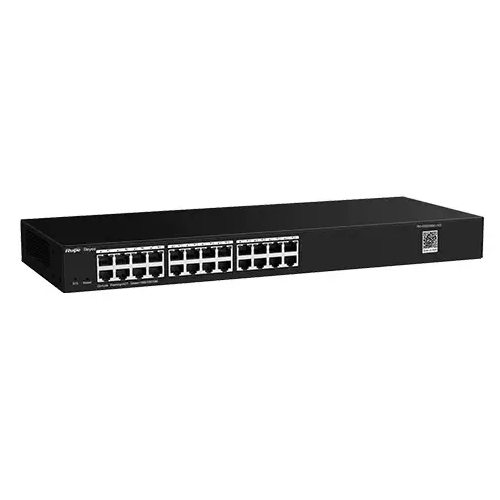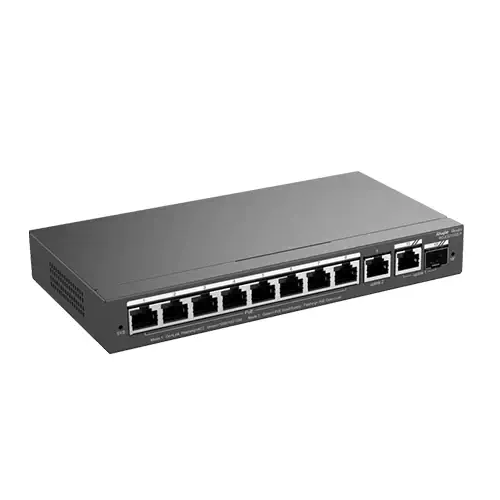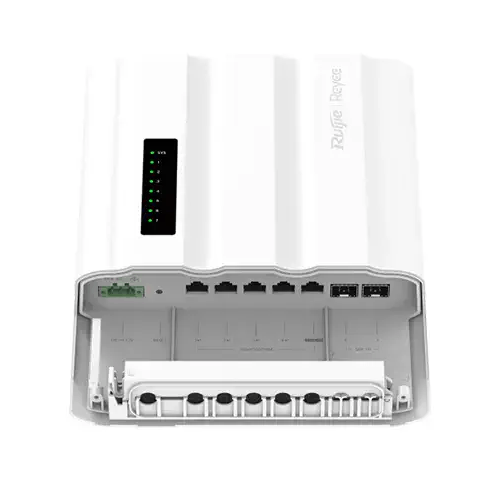
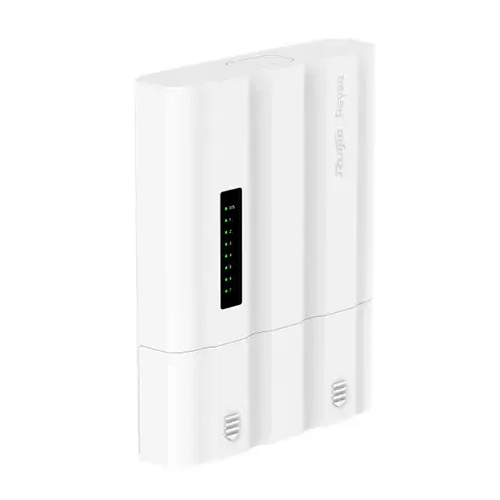
Ruijie Reyee RG-ES207GS-PI-OD 7-Port Gigabit Outdoor Switch with PoE/DC Input
Regular Price:৳0.00Availability: SKU: 6.54.312.9606
Quick Overview
-
Support
Saturday – Thursday: 09 AM - 06 PM. -
Payment
Cash on Delivery | Card | Online Payment -
Shipping Cost
Inside Dhaka 100tk | Outside Dhaka 150tk -
Warranty Policy
Read More
Description
Ruijie Reyee RG-ES207GS-PI-OD 7-Port Gigabit Outdoor Switch with PoE/DC Input in Bangladesh
Extending a network beyond an indoor office can raise practical questions: where should the switch go, how will it be powered, and what devices need a wired connection at that point? The Ruijie Reyee RG-ES207GS-PI-OD is described as a seven-port Gigabit outdoor switch with PoE/DC input. Those details make it a product to consider when planning a wired network near outdoor equipment or at the edge of a building.
The supplied product title confirms the seven-port count, Gigabit category, outdoor-switch designation, and PoE/DC input. It does not specify the individual port layout, environmental protection rating, operating conditions, supported PoE input standard, DC voltage, or whether any port supplies PoE to connected devices. These details can determine whether a switch is suitable for a particular installation, so check the current manufacturer documentation before selecting cables, power equipment, or endpoints.
A switch provides network connections; it does not replace a router, internet service, wireless access point, or CCTV recorder. Understanding its role helps set realistic expectations. The RG-ES207GS-PI-OD can be considered as one component in a larger network plan, alongside the equipment that provides routing, wireless coverage, recording, and power.
Seven ports and a useful connection plan
Seven ports provide a defined number of network connections in one device. This may suit a small network edge where several devices need Ethernet access, such as an area near cameras, a separate room, or an outbuilding. Before deciding how many endpoints it can serve, check the port layout in the product documentation. The total port count does not confirm whether every port has the same role or whether any is intended for a particular connection.
Start by listing every device that needs to connect at the switch location. Include the connection back to the router or wider network in your plan. Depending on the documented port arrangement, that network link may use one of the available ports, leaving fewer connections for local endpoints. Confirming the layout first can prevent overestimating how many devices the switch will serve.
A simple port map can help after installation. Note which device connects to each port and label cable ends where practical. If a camera, access point, or other device later needs attention, a clear record can make it easier to identify the relevant cable without disturbing the rest of the setup.
Gigabit networking for compatible devices
The product title describes the RG-ES207GS-PI-OD as a Gigabit switch. Gigabit Ethernet can support a link speed of up to 1,000 Mbps when the connected device, cable, and equipment at the other end also support that speed. This can be useful for compatible network devices that need a wired connection rather than relying solely on Wi-Fi.
The switch’s Gigabit category does not guarantee that every connection will operate at Gigabit speed. A device with a slower network interface, unsuitable cabling, or a limitation elsewhere in the connection can reduce the negotiated link speed. Check the requirements of the equipment you plan to connect and use cabling suitable for the intended network.
Local network speed is also different from internet speed. A switch can connect devices within a local network, but it does not increase the speed of an internet subscription. Internet performance depends on the service plan, router, connected equipment, cable paths, and other network conditions. A Gigabit switch is a network component, not a replacement for a suitable internet connection.
Understanding PoE/DC input
The product title states that the switch has PoE/DC input. That describes input options named for powering the switch; it does not confirm that the switch supplies PoE power to connected devices. Do not assume that cameras, access points, or other endpoints can receive power from its network ports unless the official specifications explicitly confirm PoE output.
The exact input requirements are not provided in the supplied title. Before connecting a power source, check the supported PoE input standard, DC voltage, connector, polarity, and power limits in the product documentation. Using a power source based only on a model name or a general assumption about PoE can cause an incompatible setup.
Having PoE/DC input options may be relevant when considering how to power a switch at a network edge. Which option suits a site depends on the available power source and the manufacturer’s stated requirements. Plan the power route before installation, and confirm that the source and switch are compatible.
If your connected equipment needs PoE, check both sides of the arrangement. Confirm whether the switch provides PoE output and, if so, which ports and standards support it. If output is not confirmed, plan a separate suitable power source for each endpoint or consider equipment designed for that purpose.
Outdoor designation and installation conditions
The product title identifies this as an outdoor switch, so it may be considered for network layouts where the switching point is near outdoor equipment. However, the word “outdoor” alone does not confirm a particular ingress protection rating, weather resistance, temperature range, mounting method, or exposure limit. Verify those details before placing the device where it will face rain, direct sun, dust, humidity, or other environmental conditions.
This check matters in Bangladesh, where an installation may encounter seasonal rain, high humidity, heat, dust, or storms. Do not assume the switch can be left fully exposed based solely on its product category. Follow the manufacturer’s instructions for enclosure, mounting, cable entry, and environmental limits. If the planned location is exposed, confirm what additional protection or installation method is required.
A covered, accessible position may be more suitable than a location that is difficult to inspect, but the correct placement depends on the model’s actual instructions and the site. Consider how technicians will reach the device, whether cables can be routed without strain, and whether the installation location meets the product’s stated operating conditions.
Potential applications around buildings and sites
An outdoor-designated switch may be worth evaluating where a network connection is needed near a building entrance, perimeter, external work area, or other site boundary. For example, a business may want Ethernet connectivity closer to an outdoor camera location or a separate area that is difficult to reach from an indoor network cabinet.
The switch can provide a network connection point for compatible equipment, but the exact device count depends on port roles and the installation topology. Check how it connects to the existing router or switch, and verify that the chosen cable path and equipment are suitable. The switch does not create a wireless signal or record camera footage.
For a school, shop, warehouse, or office, the value of an outdoor network connection depends on the job being done at that location. Identify the endpoint, how it communicates with the rest of the network, and how it will receive power. This avoids purchasing a switch based on a general outdoor use case without confirming that it matches the actual site.
Using it in a CCTV network
The RG-ES207GS-PI-OD may be considered as part of a network for compatible IP cameras, provided the port layout, link requirements, and power arrangements suit the installation. The switch can serve as a wired network connection point. The product title’s PoE/DC input wording should not be taken as proof that the switch can power cameras through its ports.
A separate network video recorder, server, or other suitable system is needed to receive and store footage. Remote viewing may also depend on the router, internet connection, recording equipment, and how the wider system is configured. These functions are not performed by the switch alone.
Before choosing a network switch for cameras, check the camera specifications, the number of required connections, and the location of the recorder or viewing equipment. Confirm how each camera receives power and how the switch connects to the main network. For outdoor camera locations, verify the environmental requirements of both the cameras and the switch.
Connections for access points and other devices
A compatible wireless access point can connect to a wired network through Ethernet. The access point provides Wi-Fi coverage; the switch provides the network connection behind it. Whether an access point can be powered through this model is not confirmed by the product title, so check the switch’s output capabilities and the access point’s power requirements before planning a PoE connection.
Other possible network endpoints include computers, network devices, and compatible equipment used in offices, shops, or service areas. For every endpoint, note its Ethernet speed, power method, and intended location. This helps determine whether the seven-port layout and the switch’s verified features are suitable.
If the switch will connect to another switch or router, confirm the recommended topology and compatible interfaces. Avoid making assumptions about uplink roles or special network features that are not stated in the product documentation. A clear layout is particularly helpful when the switch sits away from the main network cabinet.
Management and network expectations
The supplied product title does not state whether the RG-ES207GS-PI-OD is managed, unmanaged, or cloud managed. If your network requires configuration, remote administration, monitoring, or a specific management feature, verify its availability for this exact model before buying.
A switch’s management type affects how it fits into a network. A basic connection point and a configurable switch serve different needs. If the network has requirements such as traffic separation or specific network controls, identify those first and check whether this model supports them. Do not infer a management feature from the brand, product family, or outdoor designation.
The switch also does not replace the router’s role. The router typically provides access between the local network and the internet, while the switch connects Ethernet devices. Keeping these functions clear helps when planning which equipment is needed at the indoor network centre and at an outdoor edge location.
Power continuity during load shedding
The switch does not provide backup power. If a network connection needs to remain available during load shedding, plan a suitable backup arrangement for the switch and the other equipment required for service. Depending on the installation, that may include a router, modem, another switch, access point, or recorder.
A backup source connected only to the switch may not keep a network working if other essential devices lose power. Consider the combined power requirements and the runtime needed, then confirm that the backup system matches the equipment’s electrical requirements. Check the switch’s input details in the current documentation rather than guessing from its PoE/DC input description.
For an outdoor network point, also think about how power will be supplied safely and in accordance with the manufacturer’s instructions. If the power route or backup arrangement is unclear, get qualified technical advice before installation.
Cabling, placement, and routine care
Plan the cable route before mounting or positioning the switch. Use a route suitable for the site and the cabling, protect cables from crushing or sharp bends, and leave enough slack for safe access where appropriate. Check the manufacturer’s installation instructions for any model-specific requirements.
Keep the switch accessible enough to inspect connections, but place it only within the environmental conditions confirmed for the product. Do not assume that an outdoor designation removes the need to follow installation guidance. Check the product documentation for enclosure, mounting, and cable-entry requirements before placing it in an exposed location.
For routine checks, keep a record of which device connects to each port and inspect the cable connections if a device loses access. Confirm that endpoints have their own power unless compatible PoE output is explicitly supported. Follow model-specific care instructions from the manufacturer.
Planning for a practical installation
Before buying, write down the number of devices, the required network speeds, how the switch itself will be powered, and whether any endpoints need power over Ethernet. Then compare this list with the confirmed port layout, input requirements, environmental rating, and management features for the model.
For the Ruijie Reyee RG-ES207GS-PI-OD, the supplied title confirms a seven-port Gigabit outdoor switch with PoE/DC input. It does not provide all of the details needed for a complete installation plan. Verifying those details helps you decide whether the product suits the site, what additional equipment may be needed, and how the switch should connect to the wider network.
✅ Key Features
- Seven-Port Design: Provides a defined number of network connections for a suitable small network edge.
- Gigabit Switch Category: Supports Gigabit-capable network links when connected equipment and cabling are compatible.
- Outdoor Switch Designation: Identifies the product for consideration in outdoor network plans; confirm environmental ratings before installation.
- PoE/DC Input: The title identifies PoE/DC input options; check the exact electrical requirements before connecting a power source.
- Network Edge Use: Can be considered where a wired connection point is needed near outdoor equipment.
- IP Camera Network Potential: May connect compatible cameras to a network, subject to confirmed port and power capabilities.
- Access-Point Connectivity: Can provide a wired connection for suitable access points; verify their power requirements separately.
- Local Network Expansion: Adds a switching point to a compatible network layout.
- Flexible Power Planning: Check the specified input options against the power available at the installation site.
- Model-Specific Verification: Confirm port roles, environmental limits, and PoE output before finalising the setup.
✅ Usage / Applications
- Outdoor network edges: Add a wired connection point near an outdoor work area, subject to the product’s environmental limits.
- IP camera networks: Connect compatible cameras to the network after confirming port and power requirements.
- Building entrances: Support suitable Ethernet-connected equipment near an entrance or perimeter.
- Separate work areas: Extend a wired network to a nearby space when the topology and cabling are appropriate.
- Small business sites: Connect compatible equipment at a shop, office, or service location.
- Education facilities: Consider it for a planned connection point near outdoor-facing equipment.
- Access-point links: Connect a suitable access point to the network, with its power arranged according to its specifications.
- Network expansion: Add a local switching point where a network plan calls for additional Ethernet connections.
✅ Benefits of This Product?
- Defined Port Capacity: The seven-port count helps you plan a suitable group of wired connections.
- Gigabit-Capable Networking: Supports compatible Gigabit links when the full connection path allows them.
- Outdoor-Use Planning: Its outdoor designation makes it relevant to network layouts beyond a typical indoor desk setup.
- Power-Input Flexibility: The stated PoE/DC input can be considered when planning how to power the switch, subject to confirmed requirements.
- More Local Connectivity: Provide a network connection point near compatible equipment.
- Clearer Installation Planning: A port and cable map can make a small network edge easier to understand.
- Compatibility Awareness: Checking PoE output and input details helps prevent power-related mismatches.
- Better-Fitted Purchasing: Confirming environmental ratings and port roles helps match the product to the actual site.
✅ Ideal For
The Ruijie Reyee RG-ES207GS-PI-OD may suit network installers, small businesses, CCTV planners, and IT teams in Bangladesh that need a seven-port Gigabit switch identified for outdoor use and with PoE/DC input. It is worth evaluating when a wired network connection is needed near outdoor equipment, a building boundary, or a separate work area.
It is not enough to know that a switch is described as outdoor. Buyers should confirm its environmental rating, installation limits, and supported power-input requirements before deciding where to place it. If cameras or access points will connect to it, verify whether the switch provides PoE output and whether its capabilities match the endpoints. This model may be less suitable if you need a documented management function, a specific PoE power budget, or a particular weather-protection rating that has not been confirmed. A device list and site plan will help determine whether it fits your project.
✅ Why Choose the Ruijie Reyee RG-ES207GS-PI-OD?
The Ruijie Reyee RG-ES207GS-PI-OD offers a combination of seven ports, Gigabit networking, an outdoor-switch designation, and PoE/DC input. This can make it a useful model to evaluate when a network needs a small switching point away from the main indoor equipment area. The stated input options may also be relevant when planning how the switch itself will receive power.
Its strongest advantage is the way its stated category aligns with a specific installation need: extending wired connectivity towards outdoor equipment. Gigabit capability may suit compatible network devices, while the seven-port count gives the planner a clear number to work with. The exact number of usable endpoint connections depends on the documented port roles and network topology.
It is important not to overread the product title. PoE/DC input does not, by itself, confirm PoE output to cameras or access points. “Outdoor” does not state an IP rating or exposure limit, and the title does not identify a management type. Check those details before building a design around them.
If the verified specifications match your site, power source, and connected devices, this model may be a practical part of the network. If a specific weather rating, PoE output capability, or management feature is essential, compare the official specifications with that requirement before choosing.
✅ Why Buy This Product from BME?
Business Machine & Equipment (BME) serves customers in Bangladesh looking for business and technology products. If you are considering the Ruijie Reyee RG-ES207GS-PI-OD, contact BME with a brief description of the installation site, the devices you plan to connect, and how you intend to power the switch. This can help focus your questions on the specifications that matter for your setup.
Before ordering, confirm the exact model, current availability, price, included items, applicable warranty terms, and delivery arrangements with BME. These details may vary by product listing or order, so check them for the specific unit. If you need documentation on the product’s environmental rating, power input, port layout, or PoE output, ask BME what information is available.
Business and institutional buyers can enquire about quotations and procurement documentation required by their organisation. If installation or configuration guidance is needed, confirm separately whether a relevant service is available and what it includes. This helps set clear purchasing expectations without assuming a particular warranty, delivery commitment, or service package.
✅ Buying Guide
1. Confirm the intended use: Decide which devices will connect to the switch and where it will be positioned. Check that the outdoor-switch category suits the planned location.
2. Count the connections: List every endpoint and include the link back to the router or wider network. Confirm the detailed port layout before deciding how many devices can connect.
3. Check link speeds: Verify the Ethernet requirements of connected equipment. Gigabit performance depends on compatible endpoints, cabling, and network equipment along the connection.
4. Understand the power input: The title states PoE/DC input. Check the supported input standards, DC voltage, connector, polarity, and power limits in the current product documentation.
5. Do not assume PoE output: If cameras or access points need power from the switch, confirm that the model provides PoE output and check the supported ports and power specifications.
6. Verify outdoor suitability: Check the official environmental rating, operating conditions, mounting guidance, and cable-entry requirements before placing the switch where it may be exposed to weather or dust.
7. Plan the network topology: Decide how the switch will connect to the router or upstream network equipment. Follow the manufacturer’s instructions and avoid an unplanned connection layout.
8. Consider load shedding: If network service must continue during a power interruption, plan backup power for the switch and other essential devices. Check the combined load and required runtime.
9. Review the installation location: Make sure the switch can be accessed for checks and that cable routes are suitable. Confirm dimensions and mounting details from current documentation if space is limited.
10. Check management needs: The product title does not state whether the switch is managed or unmanaged. Verify its management features if configuration or remote administration matters to your project.
11. Confirm purchase details: Before ordering from BME, check the exact model, current availability, included items, applicable warranty terms, and delivery arrangements for your area.
✅ Customers Ask About / Frequently Asked Questions
Q: What is the Ruijie Reyee RG-ES207GS-PI-OD?
A: It is described as a seven-port Gigabit outdoor switch with PoE/DC input.
Q: Does PoE/DC input mean it powers cameras through its ports?
A: Not necessarily. The title describes PoE/DC input for the switch. Confirm whether the model also provides PoE output before planning to power cameras or access points from it.
Q: What voltage does its DC input require?
A: The supplied title does not state the voltage, connector, or polarity. Check the product label or current manufacturer documentation before connecting a DC supply.
Q: Is it weatherproof or waterproof?
A: The title identifies it as an outdoor switch but does not specify an IP rating or exposure limits. Verify the environmental rating and installation guidance before placing it in an exposed location.
Q: Can I connect IP cameras to it?
A: Compatible cameras may connect to its network, subject to the port layout and network plan. Check how each camera will be powered, since PoE output is not confirmed by the title.
Q: Are all seven ports Gigabit?
A: The title describes it as a seven-port Gigabit switch. Check the current product documentation for the exact interface details and port roles.
Q: Is it managed or unmanaged?
A: The product title does not specify its management type. Verify the model’s management features if your installation needs configuration or remote administration.
Q: Is it suitable for Bangladesh’s power supply?
A: Confirm the switch’s supported input requirements in the product documentation or on its rating label. Do not assume electrical compatibility from the model name alone.
Q: Will it keep working during load shedding?
A: Only if the switch and other essential network equipment receive suitable backup power. Plan for the combined requirements and the runtime needed.
Q: How do I install it outdoors?
A: Follow the manufacturer’s installation instructions and confirm the environmental rating, mounting requirements, cable-entry guidance, and power input before installation.
Q: What are the warranty and delivery arrangements?
A: These depend on the current listing and order. Confirm applicable warranty terms and delivery availability with BME before purchasing.
Q: How should I maintain it?
A: Follow the model-specific guidance. As general practice, inspect cable connections, keep records of port use, and do not expose the unit beyond the manufacturer’s stated limits.
✅ Why Buy This Product
If you need a seven-port Gigabit switch for an outdoor network plan, the Ruijie Reyee RG-ES207GS-PI-OD is worth evaluating. Its product title identifies an outdoor switch with PoE/DC input, which gives buyers a starting point for planning a small network connection point near suitable equipment.
Before ordering, verify the facts that determine whether it will work for your installation: the port layout, exact power-input requirements, environmental rating, and whether PoE output is supported if your endpoints need it. Do not treat PoE/DC input as confirmation that the switch powers connected devices.
Contact Business Machine & Equipment (BME) to confirm current product details and purchase terms. When the verified specifications match your site and network plan, order the Ruijie Reyee RG-ES207GS-PI-OD as a considered option for outdoor Gigabit connectivity in Bangladesh.
What is the price of Ruijie Reyee RG-ES207GS-PI-OD 7-Port Gigabit Outdoor Switch with PoE/DC Input in Bangladesh?
Write a review
Question Answer
Have question about this product? Get specific details about this product from expert.