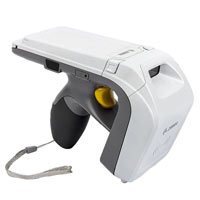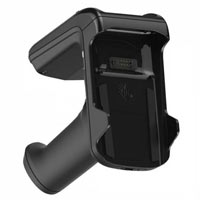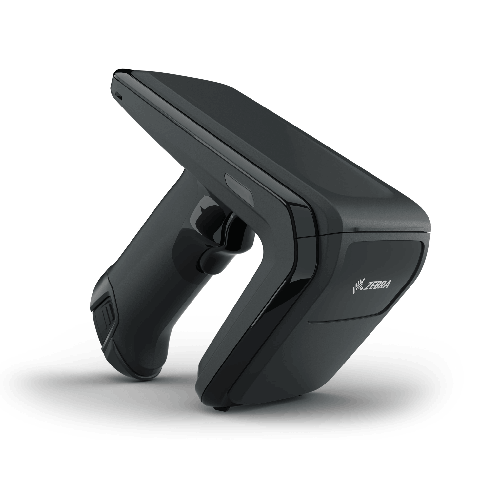
Zebra RFD40 UHF RFID Standard Sled
Regular Price:৳0.00Availability: SKU: 7.31.19.9245
Quick Overview
-
Support
Saturday – Thursday: 09 AM - 06 PM. -
Payment
Cash on Delivery | Card | Online Payment -
Shipping Cost
Inside Dhaka 100tk | Outside Dhaka 150tk -
Warranty Policy
Read More
Description
Zebra RFD40 UHF RFID Standard Sled Price in Bangladesh
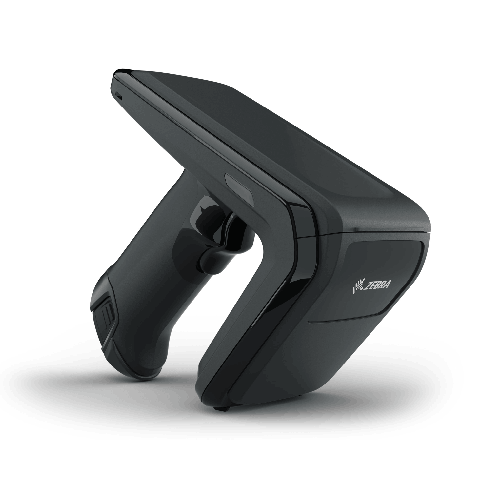
The Zebra RFD40 UHF RFID Standard Sled is a high-performance UHF / RAIN RFID sled reader designed to turn compatible Zebra mobile computers into a powerful RFID data-capture tool for Bangladesh operations. If your team already uses Zebra handheld devices (such as TC21, TC26, EC50, EC55 and similar), the RFD40 sled can be an efficient upgrade path: it adds fast UHF RFID reading capability without requiring a separate handheld RFID computer.
In Bangladesh, RFID sleds are especially useful for retail inventory counts, warehouse cycle counting, logistics verification, and asset tracking—where scanning barcodes one-by-one becomes slow and error-prone. With the RFD40, teams can read large numbers of tagged items quickly and accurately while maintaining a familiar mobile workflow.
That’s where RAIN RFID becomes valuable. RFID allows items to be identified without direct line-of-sight, often in bulk, and at speed. The Zebra RFD40 UHF RFID Standard Sled is designed to make RFID practical for teams that already rely on Zebra mobile devices for daily operations. Instead of buying an entirely new RFID handheld computer for every user, a sled approach adds RFID capability while letting staff keep the device platform they are trained on.
What the Zebra RFD40 is (and what it is not)
The Zebra RFD40 is confirmed as:
- Type: UHF RFID Sled Reader
- Device Category: RFID Sled (No Imager)
This “No Imager” point matters for procurement decisions. It means the RFD40 does not include its own barcode scanning imager. Instead, it is intended to use the host device’s scanner for barcodes when needed. This is a practical approach in Bangladesh deployments where staff already use Zebra mobile computers that include barcode scanning.
Compatibility with Zebra mobile computers used in Bangladesh
The RFD40 is confirmed compatible with Zebra mobile computers (TC21, TC26, EC50, EC55, etc.). For many Bangladesh companies, these models are common in retail back rooms, warehouses, delivery verification desks, and asset management workflows. Adding an RFID sled allows the same workforce to do both:
- barcode scanning (via the host device scanner)
- RFID reading (via the sled)
This combination can reduce device variety and simplify training, spares planning, and operational support.
Connection model: eConnex direct connection / USB
The Zebra RFD40 Standard model you listed supports:
- Connection: eConnex direct connection / USB
- Interface: eConnex, USB-C
- Pairing: Snap-on eConnex adapter
This is important for Bangladesh operations because a direct connection approach can be more predictable and stable in busy environments compared to wireless pairing—especially where RF noise or pairing complexity might slow teams down. It also helps with controlled environments where wireless connectivity is restricted by policy.
You also confirmed for the Standard model:
- Bluetooth: Not supported
- Wi‑Fi: Not supported
- NFC: No
That means this specific Standard sled should be planned as a direct-connect tool rather than a wireless peripheral.
Important correction for accuracy: the descriptive paragraph you provided mentioned Bluetooth support, but your confirmed specifications clearly state Bluetooth is not supported (Standard model). This product page follows the confirmed spec list and does not claim Bluetooth.
RFID performance: speed, range, protocols
For RFID projects in Bangladesh, three performance points matter the most: protocols, read rate, and range.
Confirmed RFID specifications for the Zebra RFD40 Standard Sled:
- RFID Technology: UHF / RAIN RFID
- Supported Protocol: EPC Class 1 Gen2, ISO 18000-63
- Frequency: 902–928 MHz (region dependent)
- Read Rate: 1300+ tags per second
- Read Range: 6+ meters (20+ ft typical)
- Antenna: Circular polarized
These specs position the RFD40 as a high-performance RFID capture tool for fast inventory routines. In Bangladesh retail and warehouse operations, high read rate helps reduce the time needed for:
- shelf inventory counts
- store back-room audits
- warehouse cycle counts
- locating missing items
- verifying tagged cartons or assets quickly
The 6+ meter typical read range (deployment dependent) provides flexibility for scanning shelves, racks, or asset areas without requiring close proximity. The circular polarized antenna is typically useful for reading tags in mixed orientations—important because in real warehouses, tag direction can vary.
Operational features that matter in real workflows
The RFD40 includes:
- Item Finder Mode: Yes (high accuracy locating)
- Batch Mode: Supported via host device
Item Finder Mode is especially valuable in Bangladesh operations where “finding the one unit” is a common daily pain point—locating a missing asset, finding a specific SKU in the back room, or confirming whether an item is present in a rack zone. While the actual user experience depends on the software workflow, having Item Finder capability enables that “locate” style operation.
Batch mode support through the host device indicates that workflow and storage/processing are handled within the Zebra mobile computer environment, which is often preferred since it keeps the system architecture consistent.
Ergonomics and ruggedness for Bangladesh field reality
RFID devices are often used while walking, counting, reaching, and moving through tight spaces. You confirmed the physical and ruggedness characteristics:
- Form factor: Gun-style sled
- Weight: Approx. 500+ g
- Drop resistance: 1.5 meters to concrete
- Protection: IP54
- Operating temperature: -10°C to 50°C
- Storage temperature: -40°C to 70°C
For Bangladesh deployments, IP54 helps in warehouse and back-room environments where dust and incidental splashes can occur. Drop resistance matters because inventory work often happens under time pressure—devices get bumped, handled quickly, and used across shifts.
Battery for long shifts: 7000 mAh PowerPrecision+
You confirmed:
- Battery type: PowerPrecision+ Li-Ion
- Capacity: 7000 mAh
- Feature: Quick-release, long shift support
In Bangladesh, many inventory tasks happen during off-peak hours, night shifts, or weekend audit windows. A 7000 mAh battery supports longer usage windows and reduces the disruption of frequent charging. Quick-release helps when operations require swapping batteries to keep teams moving.
Where the Zebra RFD40 Standard Sled fits in Bangladesh
Based on your confirmed “Application / Use Case” list, the RFD40 is ideal for:
- Retail inventory: Faster stock counts across shelves and back rooms
- Warehouse operations: Rapid cycle counting and location verification
- Logistics: Tagged item verification for movement and staging
- Asset tracking: Tools, IT assets, high-value items, and controlled inventory
RFID success depends not only on the reader, but also on:
- choosing the right tags
- placing tags correctly
- designing a workflow and software integration
- managing read zones and interference
BME can help you align your hardware selection with the realities of Bangladesh sites—branch layouts, warehouse rack design, and staff workflow.
Warranty for Bangladesh purchase
You confirmed the Warranty: 01 Year warranty. This is important for procurement planning and business assurance.
Overall, the Zebra RFD40 UHF RFID Standard Sled is a strong choice for Bangladesh organizations that want high-speed, long-range RFID reading through a rugged, direct-connect sled that works with popular Zebra mobile computers—supporting modern inventory accuracy and faster operations.
✅ Key Features
- UHF / RAIN RFID sled reader: Adds RFID capability to compatible Zebra mobile computers without a separate RFID handheld.
- High read rate (1300+ tags/sec): Speeds up inventory routines and bulk tag capture.
- Long read range (6+ meters typical): Supports fast scanning of shelves, racks, and asset areas (deployment dependent).
- Direct connection workflow: eConnex direct connection and USB support for stable operation.
- USB-C interface: Practical modern connectivity option for enterprise mobility setups.
- Circular polarized antenna: Helps read tags in varied orientations in real warehouses and stores.
- Item Finder Mode: Supports high-accuracy locating workflows.
- Rugged design (IP54): Better suited for warehouse/back-room use than consumer peripherals.
- Drop resistant (1.5m to concrete): Designed to handle real operational handling.
- PowerPrecision+ 7000 mAh battery: Quick-release, long shift support.
✅ Usage / Applications
- Retail store inventory counting and reconciliation
- Warehouse cycle counts and stock accuracy programs
- Logistics staging verification and item movement tracking
- Asset tracking for tools, IT devices, and equipment
- Back-room item locating using Item Finder mode
- Tagged item verification during receiving and dispatch (workflow dependent)
- Branch-level audits for retail chains across Bangladesh
- High-speed RFID-based data capture for field teams using Zebra mobiles
✅ Benefits of This Product?
- Reduces time required for inventory counts versus barcode-only scanning
- Improves stock accuracy with bulk tag reading and fewer missed scans
- Helps locate specific items faster using Item Finder mode
- Keeps device ecosystem consistent when teams already use Zebra mobiles
- Provides stable operation via direct connection (eConnex/USB) in controlled environments
- Supports long work sessions with 7000 mAh quick-release battery
- Suitable for tough environments thanks to IP54 protection and drop resistance
- Enables scalable RFID adoption without replacing every device platform
✅ Ideal For
- Retail chains in Bangladesh conducting frequent stock counts and audits
- Warehouses and distribution centers wanting faster cycle counting
- Logistics teams verifying tagged goods in staging and movement processes
- Organizations implementing asset tracking for equipment and high-value items
- Teams already using Zebra TC21/TC26/EC50/EC55 looking to add RFID capability
- Operations needing a rugged, direct-connect RFID reader without wireless dependencies
✅ Why Choose the Zebra RFD40 UHF RFID Standard Sled?
Choose the Zebra RFD40 UHF RFID Standard Sled when you want a high-performance RFID capture upgrade for your existing Zebra mobile computers. With RAIN RFID (UHF) support, EPC Class 1 Gen2 / ISO 18000-63 protocols, a high 1300+ tags/sec read rate, 6+ meter typical range, and a circular polarized antenna, it is built for fast inventory and asset workflows. The Standard model’s eConnex direct connection / USB-C interface supports stable, predictable operations, while ruggedness ratings like IP54 and 1.5m drop resistance fit the demanding environments common in Bangladesh warehouses and retail back rooms.
✅ Why Buy This Product from BME?
- Bangladesh RFID readiness guidance: We help you plan RFID workflows for retail, warehouse, logistics, and assets.
- Quotation support: Formal quotations for corporate, retail chain, and industrial procurement in Bangladesh.
- Compatibility planning: Assistance ensuring the sled matches your Zebra mobile computer model and required adapter.
- Deployment orientation: Guidance on tag selection considerations and practical site rollout planning.
- After-sales support orientation: Help coordinating setup steps and usage guidance for your team.
✅ Buying Guide
- Confirm your host device models: Ensure your Zebra mobile computers (TC21/TC26/EC50/EC55, etc.) match the intended sled compatibility.
- Plan for direct-connect operation: The Standard model does not support Bluetooth/Wi‑Fi—deploy around eConnex/USB-C usage.
- Choose the right tags: Tag type and placement strongly affect read range and consistency.
- Define your workflow: Decide whether you’re doing full inventory counts, cycle counts, item finding, or asset tracking—each requires different software screens and processes.
- Train staff on read discipline: RFID reads fast; define rules for zones, direction, and confirmation steps to prevent duplicates or wrong-zone reads.
- Battery planning: Use quick-release battery workflow if teams run long shifts or multiple counting sessions.
- Environment planning: IP54 supports warehouse/back-room use, but plan protective handling in heavy industrial areas.
- Software integration: Ensure your application supports EPC Gen2 / ISO 18000-63 tag handling and your reporting needs.
✅ Customers Ask About / Frequently Asked Questions
-
Q1: What type of device is the Zebra RFD40 Standard?
A: It is a UHF RFID sled reader (RFID sled, no imager). -
Q2: Does the RFD40 Standard include a barcode scanner?
A: No. Scanner type: Not included—it uses the host device scanner. -
Q3: Which mobile computers is it compatible with?
A: It is confirmed compatible with Zebra mobile computers (TC21, TC26, EC50, EC55, etc.). -
Q4: What RFID protocols are supported?
A: EPC Class 1 Gen2 and ISO 18000-63. -
Q5: What is the read speed?
A: 1300+ tags per second (confirmed). -
Q6: What is the typical read range?
A: 6+ meters (20+ ft typical) (deployment dependent). -
Q7: Does the Standard model support Bluetooth?
A: No. Bluetooth is not supported on the Standard model (confirmed). -
Q8: What connection/interface does it use?
A: eConnex direct connection / USB, with eConnex and USB-C interface (confirmed). -
Q9: How rugged is it?
A: It is IP54 rated and supports 1.5m drop resistance to concrete (confirmed). -
Q10: What is the warranty in Bangladesh?
A: 01 Year warranty (confirmed).
✅ Why Buy This Product
If your Bangladesh business needs faster inventory counts, better asset visibility, and a practical way to add RFID capability to existing Zebra mobile devices, the Zebra RFD40 UHF RFID Standard Sled is a strong solution. Contact BME to check availability and request a formal quotation for your RFID rollout.
What is the price of Zebra RFD40 UHF RFID Standard Sled in Bangladesh?
Write a review
Question Answer
Have question about this product? Get specific details about this product from expert.


ZEBRA DS4208 Handheld USB Barcode Scanner