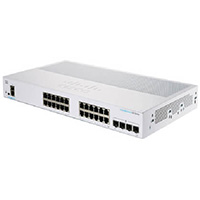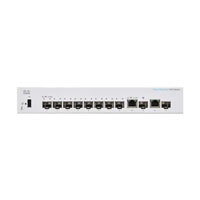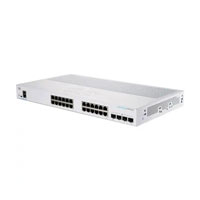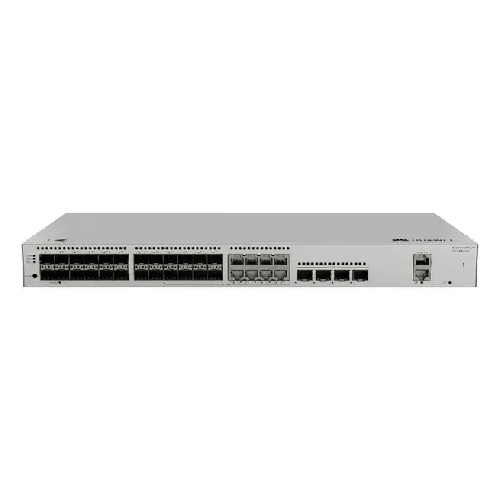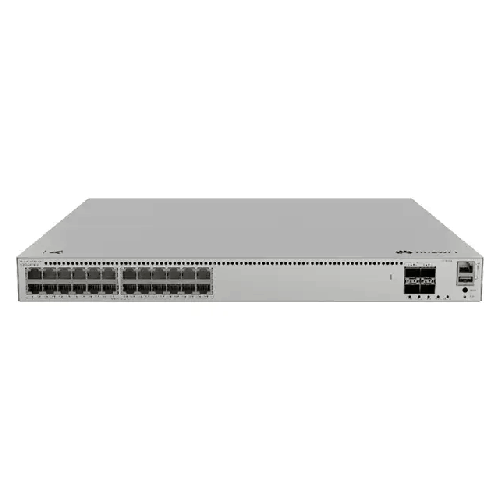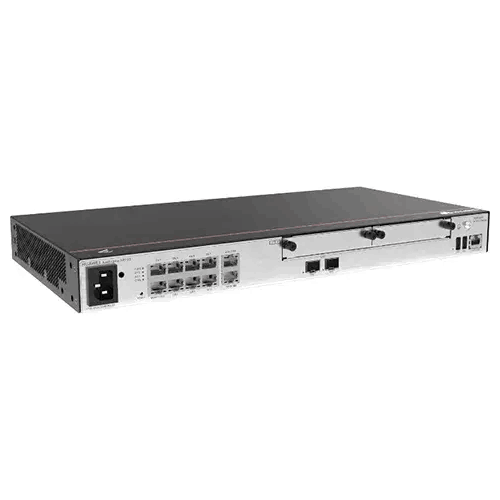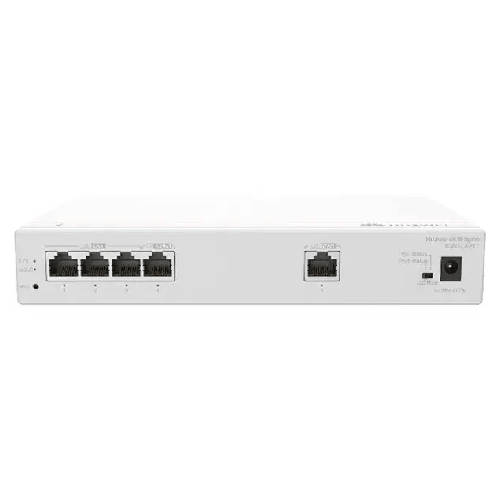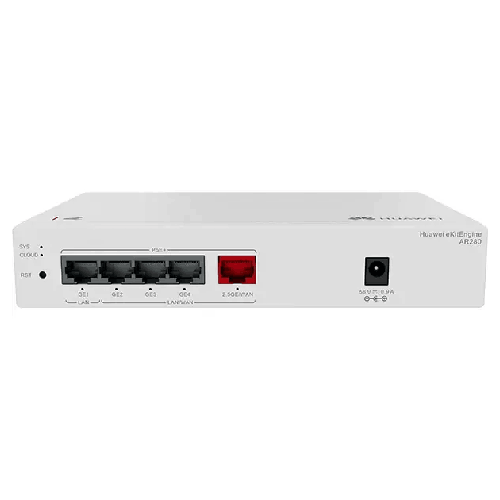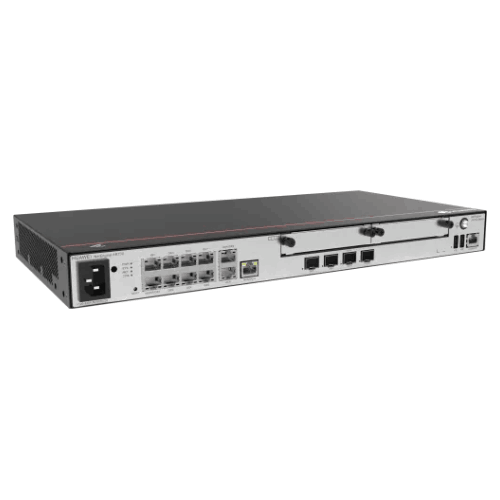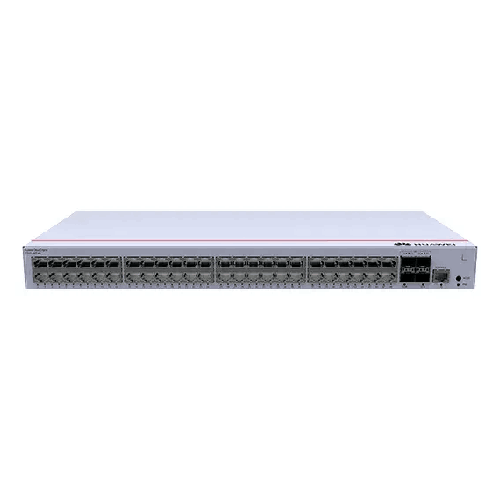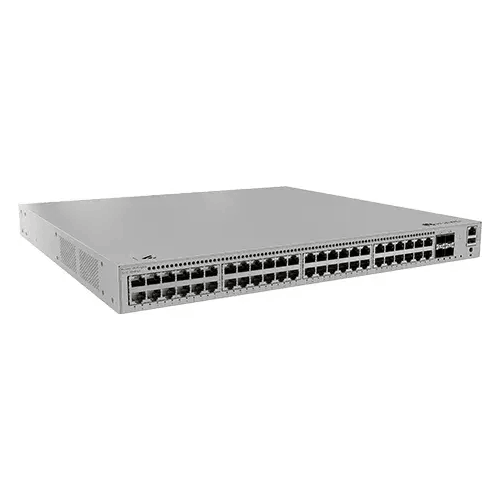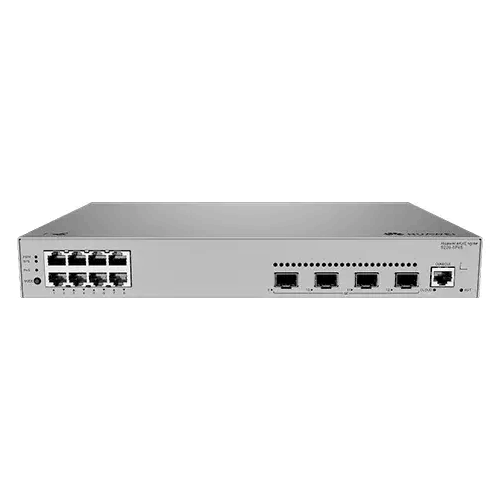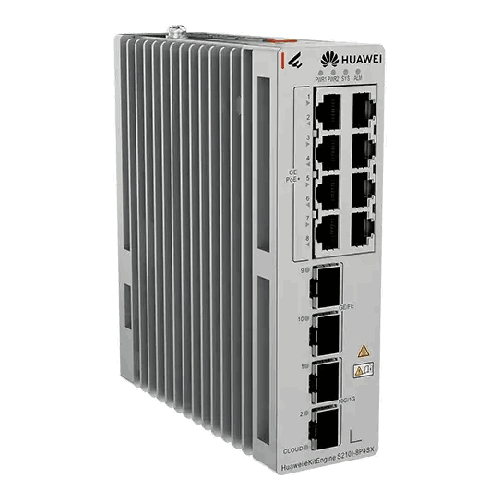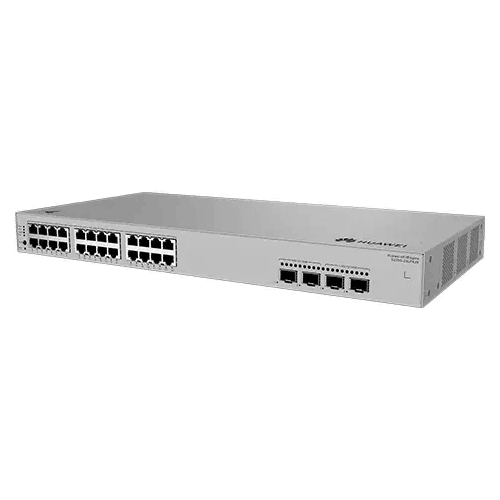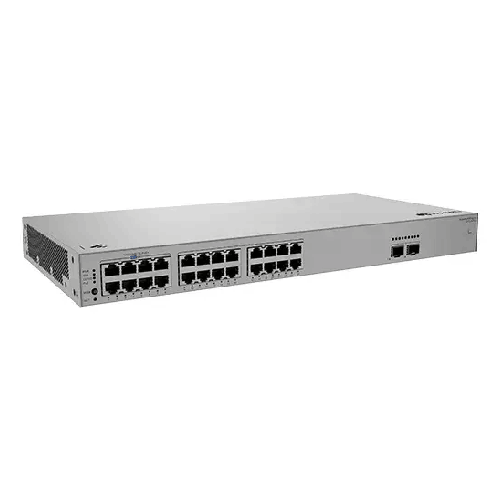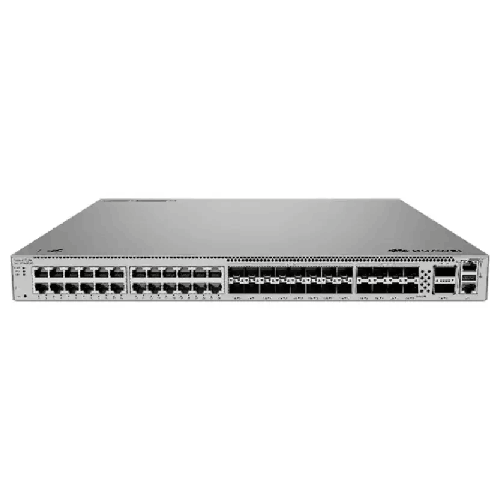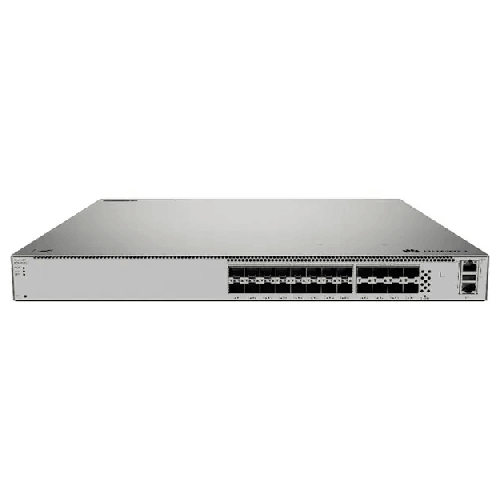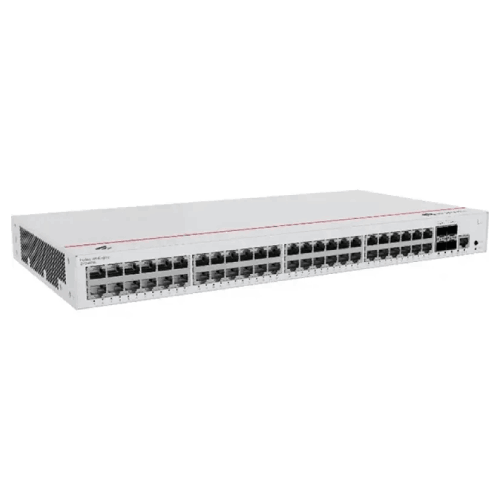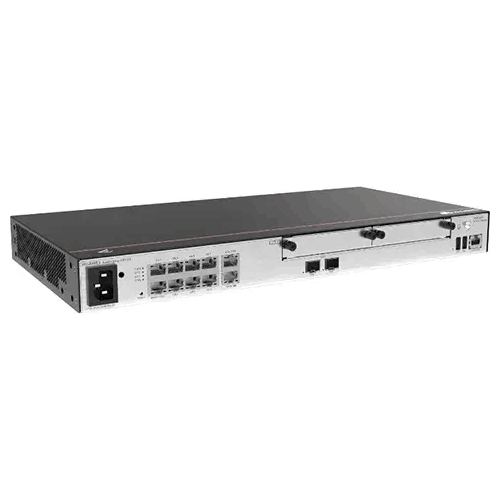
Huawei AR720 2-Port GE Combo WAN & 8-Port GE LAN Managed Non-PoE Router
Regular Price:৳0.00Availability: SKU: 6.54.130.9180
Quick Overview
-
Support
Saturday – Thursday: 09 AM - 06 PM. -
Payment
Cash on Delivery | Card | Online Payment -
Shipping Cost
Inside Dhaka 100tk | Outside Dhaka 150tk -
Warranty Policy
Read More
Description
Huawei AR720 2-Port GE Combo WAN & 8-Port GE LAN Managed Non-PoE Router Price in Bangladesh
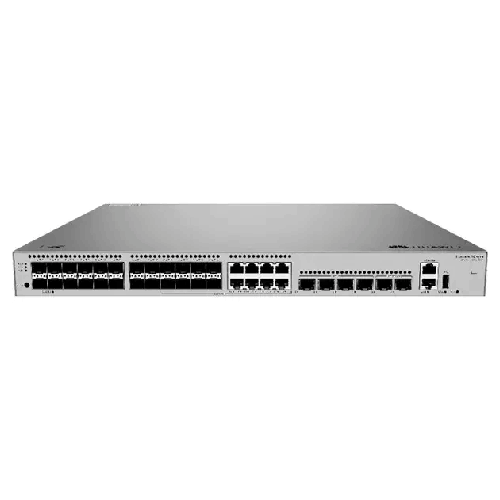
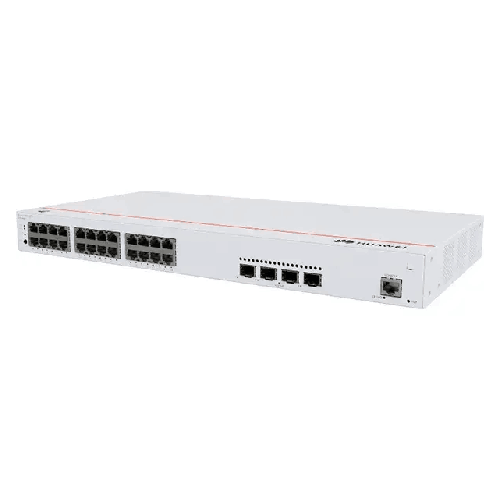
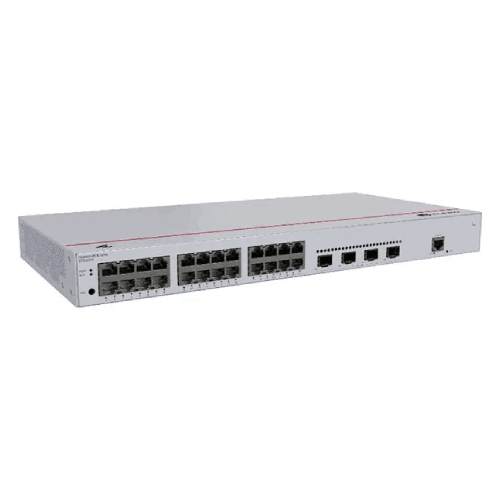
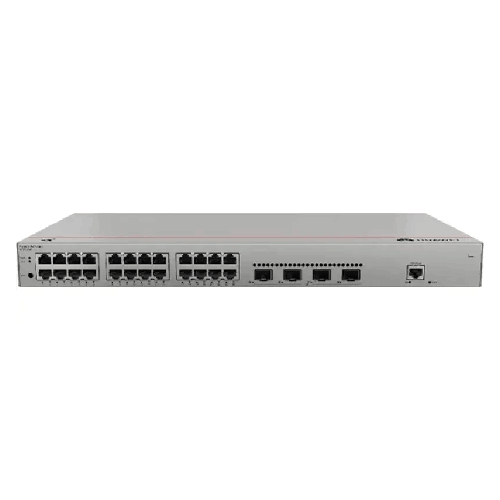
The Huawei AR720 2-Port GE Combo WAN & 8-Port GE LAN Managed Non-PoE Router is a professional enterprise networking platform designed for branch offices, small and medium-sized businesses, commercial organizations, and other wired network environments that require flexible WAN connectivity and integrated routing capabilities. As part of Huawei's NetEngine AR700 family, the AR720 combines routing, switching, VPN, security, and other enterprise networking functions in a compact 1U chassis. Huawei specifies the model with two GE Combo WAN interfaces and eight GE electrical LAN interfaces.
The AR720 is built around a practical branch-network architecture. Its two GE Combo WAN ports can provide Gigabit WAN connectivity using the supported electrical or optical interface options, while the eight fixed GE electrical ports provide local LAN connectivity. Huawei also specifies that the eight GE LAN ports can be switched to WAN ports, giving network administrators additional flexibility when the network requires more WAN interfaces.
Huawei specifies 9 Mpps to 25 Mpps forwarding performance and 4 Gbps throughput for the AR720. The official Huawei eKit product page lists support for up to 700 connected terminals. These figures are useful for network planning, although actual network performance depends on packet size, enabled services, routing configuration, traffic patterns, security functions, and the overall network architecture.
The AR720 belongs to Huawei's AR700 enterprise router series, which Huawei positions for enterprise branches and SME networks. The series combines networking functions such as routing, switching, VPN, security, and MPLS-related capabilities. Huawei also identifies security functions including firewall, IPS, antivirus-related capabilities, and IPsec VPN support within the AR700 platform.
For businesses that require multiple WAN connections, the AR720 provides a straightforward physical interface design. The two GE Combo WAN ports can be used for upstream connections, while the eight GE electrical interfaces can provide local network connectivity or, when configured accordingly, additional WAN connectivity. This flexibility is useful for branch offices and businesses where network requirements can change over time.
The AR720 is also designed for expansion. Huawei specifies two SIC slots and one WSIC slot maximum, depending on supported configuration. The platform also includes 4 GB memory, 1 GB Flash, two USB interfaces, and one RJ45 console interface.
Its compact 1U rack-mount form factor makes the router suitable for professional server rooms, network cabinets, and branch infrastructure installations. Huawei lists basic dimensions of approximately 44.4 × 442.0 × 220.4 mm, with a maximum depth of approximately 225.2 mm. The unboxed weight is approximately 3.2 kg.
The AR720 uses an integrated AC power supply and is a non-PoE router. This means the router itself is intended for routing and network gateway functions rather than supplying Ethernet power to downstream devices. If the network uses PoE access points, IP phones, or other PoE equipment, a separate compatible PoE switch or PoE injector can be incorporated into the network design.
✅ Key Features of Huawei AR720
✅ Enterprise Managed Router: The Huawei AR720 is a managed enterprise router designed for branch offices, SME networks, and professional wired network infrastructures.
✅ 2 × GE Combo WAN: The router provides two Gigabit Ethernet Combo WAN interfaces, giving administrators flexible WAN connectivity options.
✅ 8 × GE Electrical LAN: Eight Gigabit Ethernet electrical interfaces provide wired connectivity for computers, switches, access points, servers, IP phones, and other network devices.
✅ LAN Ports Can Be Switched to WAN: Huawei specifies that the eight GE electrical LAN ports can be switched to WAN ports, allowing greater flexibility when designing multi-WAN network architectures.
✅ 4 Gbps Throughput: Huawei's eKit SME networking documentation specifies up to 4 Gbps throughput for the AR720.
✅ 9–25 Mpps Forwarding Performance: The AR720 is specified with forwarding performance ranging from 9 Mpps to 25 Mpps.
✅ Up to 700 Connected Terminals: Huawei lists 700 connected terminals for the AR720. This figure is intended as a network-planning reference rather than a guarantee of identical performance for every traffic scenario.
✅ Enterprise Routing: The AR700 platform supports routing technologies including Static Route, RIP, OSPF, BGP, and IS-IS.
✅ VPN Support: Huawei identifies VPN and IPsec VPN capabilities within the AR700 enterprise router platform.
✅ Security Functions: Huawei's AR700 platform includes firewall, IPS, and antivirus-related security functions, with availability depending on supported software and configuration.
✅ 2 × SIC Slots: The AR720 provides two SIC expansion slots for supported expansion modules.
✅ 1 × WSIC Maximum: Huawei's AR700 specifications list zero WSIC slots by default and a maximum of one WSIC slot for the AR720.
✅ 4 GB Memory: The AR720 is specified with 4 GB of memory.
✅ 1 GB Flash: The router provides 1 GB Flash storage according to Huawei's AR700 specifications.
✅ 2 × USB Interfaces: Two USB interfaces are included on the AR720 platform.
✅ RJ45 Console Port: A dedicated RJ45 console interface is available for local management and troubleshooting.
✅ 1U Rack-Mount Chassis: The AR720 uses a 1U chassis suitable for rack-based professional networking environments.
✅ Non-PoE Architecture: The AR720 is a non-PoE router, allowing PoE requirements to be handled by dedicated downstream switching infrastructure.
✅ Flexible Dual-WAN Connectivity
One of the primary characteristics of the Huawei AR720 is its two GE Combo WAN interfaces. This makes the router suitable for network environments where more than one WAN connection is required.
Multiple WAN connections can be useful for businesses operating separate Internet links, branch connectivity, backup links, or other upstream network services. The exact use of each WAN connection depends on the organization's network architecture and service-provider configuration.
A Combo interface provides more than one physical interface option within the same port position. The specific electrical or optical operation depends on the supported interface configuration and the connected module or cable.
For a business with two Gigabit WAN services, the AR720 can provide a centralized routing platform for managing the upstream connections while the integrated GE LAN interfaces serve local users and network devices.
The AR720 can therefore function as a branch gateway between the local Ethernet network and multiple upstream connections.
✅ Eight Gigabit LAN Ports
The AR720 includes eight GE electrical LAN ports, providing Gigabit Ethernet connectivity for local network devices.
These ports can connect computers, printers, servers, switches, wireless access points, IP phones, network storage, surveillance-related devices, and other Ethernet-based equipment.
The eight-port LAN configuration is particularly practical for small and medium-sized branch networks. If more local ports are required, the AR720 can be connected to a larger managed Ethernet switch.
The eight GE electrical interfaces also provide an additional degree of flexibility because Huawei specifies that they can be switched to WAN ports. This means the physical interface allocation can be adapted to different network designs.
For example, a deployment may use the two dedicated GE Combo interfaces as primary WAN connections and all eight GE electrical ports for LAN access. Another deployment may allocate some of those GE interfaces toward WAN services if the network topology requires additional upstream connections.
✅ 4 Gbps Throughput
Huawei's SME networking documentation specifies 4 Gbps throughput for the AR720.
Throughput is an important specification when evaluating a router for business use because the router may need to process traffic from many users and multiple network services simultaneously.
Actual throughput can vary depending on the specific features enabled. Routing, NAT, ACL, QoS, VPN encryption, security inspection, packet size, and other processing requirements can affect the amount of traffic a router can process under a particular configuration.
Therefore, the 4 Gbps specification should be considered a Huawei-specified platform performance reference rather than an assumption that every possible service combination will operate at 4 Gbps.
For a business network, the appropriate router should be selected according to the expected traffic profile and required services.
✅ 9–25 Mpps Forwarding Performance
Huawei specifies forwarding performance of 9 Mpps to 25 Mpps for the AR720.
Mpps, or million packets per second, measures packet-processing capability. It differs from bandwidth throughput because packet forwarding performance can be strongly influenced by packet size.
Small packets generally require more packet-processing operations for the same amount of total data, while larger packets carry more data per packet.
The AR720's 9–25 Mpps specification therefore provides another useful performance reference alongside its 4 Gbps throughput rating.
For professional network planning, both bandwidth and packet-processing requirements should be considered.
✅ Up to 700 Connected Terminals
Huawei lists the AR720 with support for 700 connected terminals.
This figure should be interpreted as a planning reference. Huawei's AR700 documentation notes that the connected-terminal figure is estimated in wired scenarios based on the maximum number of supported Internet-access sessions and assumed application connections per user; it is not a commercial performance guarantee.
The actual number of users a business can serve effectively depends on the amount and type of traffic generated by those users.
A network with hundreds of users performing light web browsing has a substantially different traffic profile from a network with hundreds of users simultaneously transferring large files, using cloud applications, accessing video services, or running VPN traffic.
For this reason, the AR720's 700-terminal figure should be combined with bandwidth planning, application requirements, and security-service requirements.
✅ Enterprise Routing Capabilities
The Huawei AR720 is part of the NetEngine AR700 enterprise router series. Huawei describes the series as a branch-oriented platform integrating routing, switching, VPN, security, MPLS, and other business services.
Huawei's SME network portfolio identifies routing technologies including:
✅ Static Routing
✅ RIP
✅ OSPF
✅ BGP
✅ IS-IS
The availability and exact behavior of individual routing functions can depend on the software version and configuration.
Static routes can be appropriate for simple branch topologies, while dynamic routing protocols such as OSPF and BGP are generally used where automated route exchange is required.
This makes the AR720 more suitable for structured enterprise networks than a basic consumer broadband router.
✅ VPN and Secure Branch Connectivity
VPN connectivity is an important requirement for organizations operating multiple locations.
Huawei identifies IPsec VPN support within the AR700 series, allowing the platform to participate in secure IP-based connectivity between network locations. Huawei also identifies firewall, IPS, and antivirus-related security capabilities for the series.
An organization can therefore use an AR720 as part of a branch network architecture where secure communication with headquarters, another branch, a data center, or another compatible network endpoint is required.
The exact VPN performance and supported security features depend on the software version, configuration, and enabled services. Organizations should verify the current Huawei feature and licensing documentation before final deployment planning.
✅ MPLS and Multi-Service Networking
Huawei's AR700 series also supports MPLS-related networking capabilities.
MPLS can be relevant in enterprise WAN environments where service providers or organizations use label-based traffic forwarding and VPN architectures.
The presence of MPLS-related capabilities makes the AR720 applicable to more sophisticated enterprise WAN environments than a simple Internet gateway.
For businesses using managed WAN services, the AR720 can therefore be considered as part of a larger branch-routing architecture.
✅ Expansion Through SIC Slots
The AR720 provides two SIC slots and supports up to one WSIC slot according to Huawei's AR700 specifications.
Expansion slots can be valuable when network requirements change after the initial deployment.
Instead of relying entirely on the fixed Ethernet interface configuration, a supported expansion module can provide additional functionality or connectivity options where compatible modules are available.
The actual expansion modules supported should be checked against Huawei's current compatibility documentation, because not every module is necessarily compatible with every AR700 model or software release.
✅ 4 GB Memory and 1 GB Flash
The AR720 is specified with 4 GB memory and 1 GB Flash.
These hardware resources support the router's operating system, routing processes, management functions, and other network services.
For an enterprise router, memory and Flash capacity are relevant because the device may need to maintain routing information, configuration data, logs, software components, and other operational information.
The AR720's hardware platform is therefore designed for multi-service enterprise networking rather than basic home Internet sharing.
✅ Rack-Mount 1U Design
The Huawei AR720 uses a 1U rack-mount form factor, making it suitable for structured IT environments such as server rooms, network cabinets, branch equipment racks, and professional data closets.
Huawei lists basic dimensions of approximately 44.4 × 442.0 × 220.4 mm and maximum dimensions of approximately 44.4 × 442.0 × 225.2 mm. The unboxed weight is approximately 3.2 kg.
The router can also be installed on a workbench or against a wall according to Huawei's current eKit product information.
This gives deployment flexibility when a conventional equipment rack is not available.
✅ AC Power and Cooling
Huawei specifies an integrated AC power supply for the AR720. The input voltage range is 90 V to 264 V, with an input frequency range of 47 Hz to 63 Hz. Huawei lists typical power consumption of 28 W and maximum power consumption of 33 W for the current product specification.
The router uses a built-in fan for cooling. Huawei specifies a long-term operating temperature range of 0°C to 45°C and operating relative humidity of 5% to 95%, non-condensing.
Huawei also notes that at altitudes between 1,800 m and 5,000 m, the highest operating temperature decreases by 1°C for every 220 m increase in altitude.
These specifications should be considered when selecting the installation environment.
✅ Non-PoE Network Architecture
The Huawei AR720 is a managed non-PoE router.
This means the device is intended primarily to provide routing, WAN connectivity, network services, and LAN connectivity rather than electrical power over Ethernet.
In a network that includes PoE-powered wireless access points, IP phones, CCTV devices, or other PoE equipment, a separate PoE switch can be connected to the AR720.
This architecture also allows the network administrator to select a PoE switch according to the required number of powered devices and total PoE budget without making the router itself responsible for PoE delivery.
✅ Huawei AR720 for Branch Offices
Branch offices commonly require a combination of Internet connectivity, local wired networking, VPN connectivity, routing, and security.
The AR720 addresses these requirements through its two GE Combo WAN interfaces, eight GE LAN interfaces, enterprise routing capabilities, VPN functions, security capabilities, and expansion architecture.
A typical branch deployment can use the two GE Combo ports for WAN connectivity while connecting the local office network to the eight GE LAN ports.
If additional local devices are required, a managed Gigabit Ethernet switch can expand the LAN.
For a business with multiple sites, IPsec VPN and dynamic routing capabilities can be incorporated into the broader WAN architecture according to the organization's requirements.
✅ Huawei AR720 for SME Networks
Small and medium-sized businesses often need more networking functionality than a consumer-grade router can provide but may not require a large modular enterprise platform.
The AR720 occupies this type of professional branch-router role within Huawei's AR700 family.
Its combination of Gigabit WAN connectivity, eight Gigabit LAN ports, 4 Gbps throughput, 9–25 Mpps forwarding performance, enterprise routing protocols, VPN, security, and expansion slots provides a broad networking feature set within a 1U chassis.
The device can be integrated with managed switches, wireless access points, servers, firewalls, storage devices, and other business networking equipment.
✅ Why Choose Huawei AR720?
The Huawei AR720 combines flexible WAN connectivity, substantial Gigabit LAN capacity, enterprise routing functions, VPN capabilities, security services, and hardware expansion in a compact 1U platform.
Its 2 × GE Combo WAN interfaces provide flexible Gigabit upstream connectivity, while its 8 × GE electrical LAN ports provide local wired access. Huawei also specifies that those eight GE ports can be switched to WAN operation, which can be useful when the network requires a different WAN/LAN allocation.
The router's 4 Gbps throughput and 9–25 Mpps forwarding performance provide useful performance specifications for professional network planning. Huawei also lists up to 700 connected terminals, subject to the assumptions and limitations associated with its planning methodology.
The AR720 is also equipped with two SIC slots, 4 GB memory, 1 GB Flash, two USB interfaces, and an RJ45 console port, providing a hardware platform designed for enterprise networking requirements.
Its support for routing technologies such as Static Route, RIP, OSPF, BGP, and IS-IS, together with MPLS and VPN-related functions, makes it suitable for structured branch and enterprise WAN architectures.
For organizations looking for a managed, non-PoE business router with dual Gigabit WAN, eight Gigabit LAN interfaces, enterprise routing features, and expansion capability, the AR720 provides a clearly defined platform for professional wired network infrastructure.
✅ Huawei AR720 for Bangladesh Business Networking
The Huawei AR720 can be used in a variety of professional networking environments in Bangladesh, including corporate branch offices, SME networks, educational facilities, commercial establishments, multi-site organizations, and structured IT infrastructure.
Its dual GE Combo WAN architecture is relevant for organizations that maintain multiple Internet or WAN services. The eight Gigabit LAN interfaces provide direct wired connectivity for local endpoints, while additional switches can be added when the number of devices exceeds the router's fixed port capacity.
Because the AR720 is non-PoE, deployments using PoE access points, IP phones, or other powered Ethernet devices should include an appropriate PoE switch.
The 1U rack-mount design also makes the AR720 suitable for professional network cabinets and server rooms.
For larger branch deployments, the AR720 can be integrated with managed switches, Huawei eKit access points, servers, security infrastructure, and other enterprise networking equipment according to the overall topology.
What is the price of Huawei AR720 2-Port GE Combo WAN & 8-Port GE LAN Managed Non-PoE Router in Bangladesh?
Write a review
Question Answer
Have question about this product? Get specific details about this product from expert.